
ZAMBIA NEEDS A CONSTITUTIONAL RESET
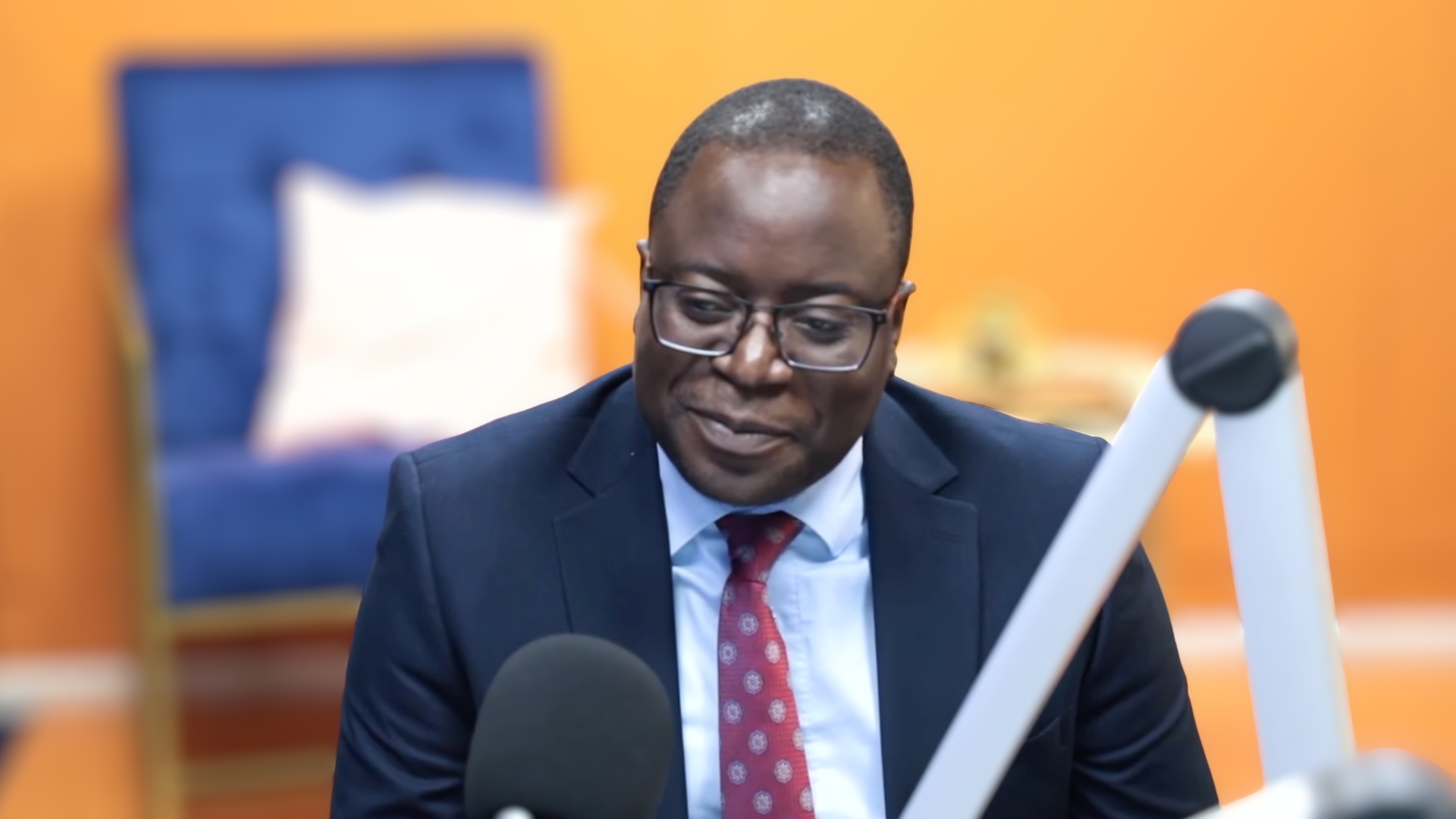
Honourable Makebi Zulu featured on Friday’s edition of Chatback, where he discussed the need for a constitutional reset. The leading presidential candidate, in his usual calm, deeply wise approach to issues, stated that Zambia can no longer afford to operate under a governance framework that leaves too much power in the presidency and too little strength in the institutions meant to protect the Republic.
Speaking on Radio Christian Voice, Makebi Zulu said the country needs more than routine political change. In his view, Zambia needs a structural reset. He argued that the current constitutional arrangement has concentrated excessive authority in the Executive, leaving the judiciary, Parliament, and oversight institutions vulnerable to manipulation, fear, and political interference.
At the centre of his argument was the need for a people-driven constitutional overhaul. He said constitutional reform must not be left in the hands of the Executive because that process can easily be turned into a tool for preserving power. Instead, he called for a national process in which citizens themselves determine what kind of governance architecture the country should live under. According to him, the President should retain enough authority to govern, but not so much power that institutions become weak, dependent, or unable to resist Executive intrusion.
Makebi Zulu’s strongest remarks were directed at the state of the judiciary. He said the country is operating under what he described as a reign of terror, a phrase he used not in the sense of physical violence, but in reference to the climate of fear that now hangs over public life. He argued that judges must be protected by secure tenure so that they are free to make lawful decisions without worrying about retaliation, pressure, or the need to please those in power. In his view, a judiciary that fears the Executive cannot fully serve justice, and a nation whose judges are not free cannot claim to be truly governed by the rule of law.
He extended the same concern to institutions of governance more broadly. He said Zambia must realign its institutions so that they operate independently and in line with their constitutional purpose. Bodies such as the Anti-Corruption Commission and the Drug Enforcement Commission, he argued, must not function in a way that makes them appear subordinate to political authority, as is the case under the Hakainde Hichilema regime. His position was that institutions tasked with fighting corruption and abuse of office must be structurally insulated from interference, especially in a country where allegations of selective application of the law have become common in public debate.
The Patriotic Front presidential aspirant also stressed the importance of restoring legislative independence. He said members of Parliament should be able to debate freely, express themselves without fear, and represent the people without intimidation. In his view, the National Assembly should be a place of genuine democratic argument rather than a chamber overshadowed by fear or Executive influence.
Makebi Zulu linked these governance questions directly to the daily realities facing ordinary Zambians. He argued that constitutional reform is not an abstract legal matter for elites, but a practical national issue that affects freedom of expression, justice, investment, and public trust. According to him, Zambia’s current environment has made many citizens afraid to speak openly, with some now choosing silence, coded language, or harmless reactions over honest opinion. He specifically pointed to the shrinking space for freedom of expression and suggested that the current legal and political climate is discouraging open public participation.
He said the country must move away from a system in which citizens depend on the personal disposition of one President and instead build institutions strong enough to stand regardless of who occupies State House. That, in essence, was the heart of his message. Zambia, he argued, should not rely on the hope of having a well-mannered leader. It should rely on laws, structures, and constitutional safeguards that prevent abuse in the first place.
His broader point was that institutional reform is inseparable from economic recovery and national progress. A country where courts are trusted, oversight bodies act independently, and public institutions are seen as fair is a country that can attract investment, protect enterprise, and give confidence to its own citizens. On the other hand, where governance is seen as politically managed, trust declines, and so does national stability.
Makebi Zulu’s remarks on Chatback were not merely legal observations. They were part of a larger political argument that Zambia’s development crisis cannot be solved by economic promises alone, while the state itself remains structurally weak. Before policy can work effectively, he suggested, the foundations of governance must first be repaired.
His call was clear. Zambia must press the reset button. It must review how power is shared, how institutions are protected, and how the Constitution can be redesigned to reflect the demands of a modern democracy. For Makebi Zulu, that reset is no longer optional. It is necessary if the country is to restore confidence in its institutions and protect the Republic from further erosion.