
WHY ZAMBIA NEEDS THE LEADERSHIP OF MAKEBI ZULU
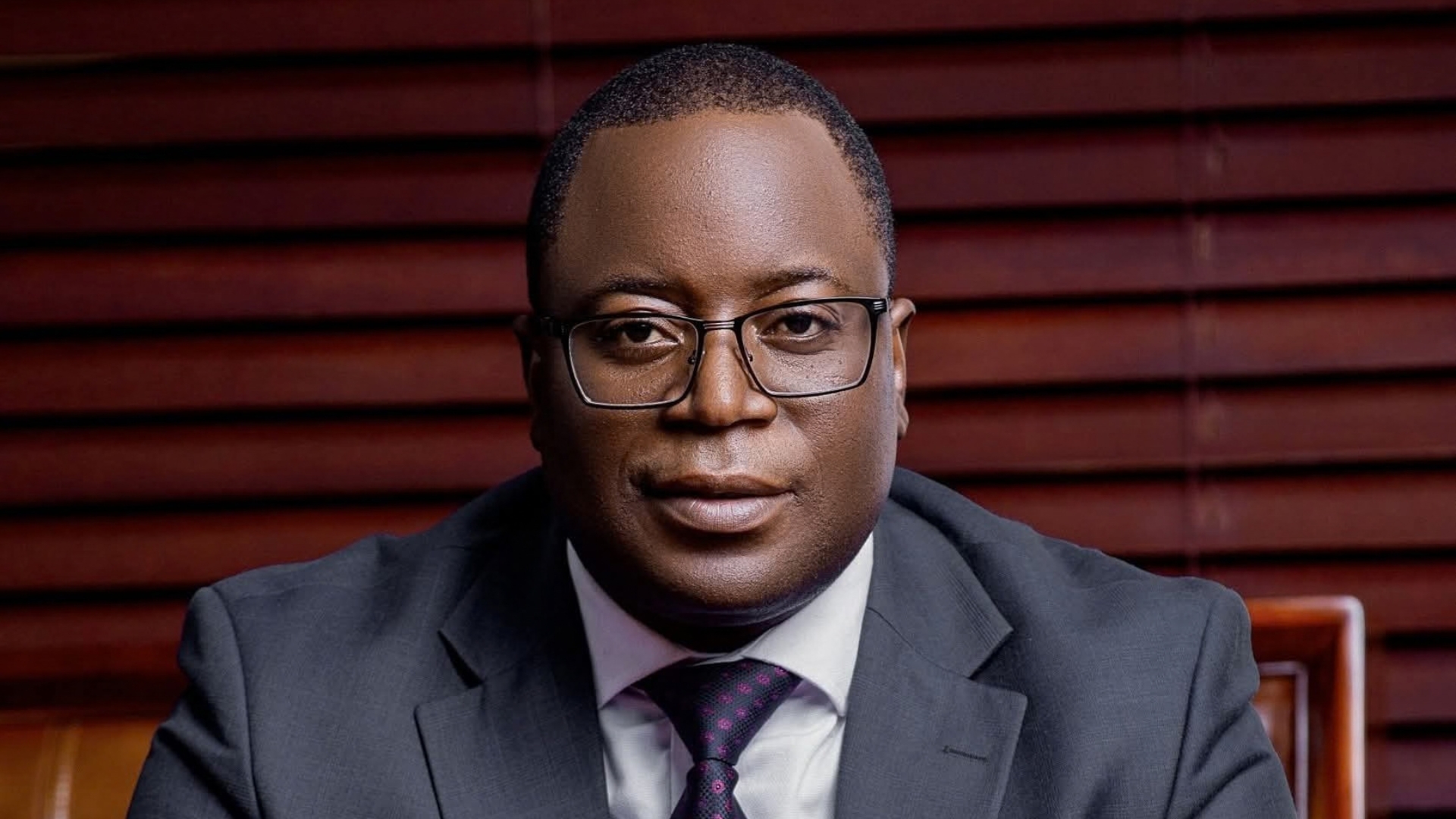
In moments when a nation faces uncertainty, the people begin to look for leaders who embody calm judgment, integrity, and a clear sense of purpose. Zambia today is no different. Many citizens are asking what kind of leadership can unite the country, restore confidence in public institutions, and place the dignity of the people at the centre of national governance.
Among the emerging voices in national leadership, Makebi Zulu stands out as a figure many believe represents those qualities. Known for his firm principles and disciplined approach to public matters, he has built a reputation as a leader who speaks directly, thinks carefully, and stands by his convictions.
One of the defining qualities that supporters often point to is his sobriety in leadership. In a political environment that can sometimes be dominated by emotion and confrontation, Zambia needs leaders who remain measured and thoughtful even under pressure. Leadership is not merely about winning arguments or political battles; it is about guiding a nation through complex challenges with wisdom and restraint.
Equally important is integrity. Citizens across Zambia consistently express frustration about corruption, lack of accountability, and leadership that appears disconnected from the everyday struggles of ordinary people. A leader who demonstrates personal discipline, ethical conviction, and respect for the rule of law can help rebuild trust between government and citizens.
Makebi Zulu has also been associated with a strong sense of national dignity. Zambia’s future depends not only on economic growth but also on leadership that respects the country’s traditions, institutions, and the voices of its people. A president must listen as much as he leads, ensuring that the concerns of families, workers, youth, and communities are reflected in national decisions.
At a time when the country is searching for direction and unity, leaders who combine courage with humility become increasingly important. The presidency requires someone who can bring people together, inspire confidence, and make decisions that place the long-term interests of Zambia above short-term political advantage.
The question many citizens may soon begin to ask is whether Zambia is ready for a leadership style rooted in principle, discipline, and national service. For those who believe in that vision, Makebi Zulu represents a possibility worth serious national conversation.
The future of Zambia will ultimately be decided by its people. But as the country reflects on the leadership it needs for the years ahead, voices are growing louder that the nation must look toward leaders who embody integrity, wisdom, and a deep commitment to the Zambian people.